I find it easy to envision a world, maybe 50 years from now, in which the very concept of "truth in advertising" is viewed as a lost, idyllic fantasy. Something people are nostalgic for, but feel powerless to regain.
From what I hear (fact-check, etc. needed) that's already the case right now with much more consequential transactions, like renting real estate in NYC. Square footages that are blatant lies, etc.
It's infuriating the amount of effort people will expend to claim that what was achieved in the past is literally impossible to do now. It's pervasive, especially from allegedly-smart people like software engineers.
I find it easy now!
Here's a recent example: https://www.etsy.com/ca/listing/4509158065/corner-wall-shelf...
Ironically, ChatGPT is decently good at ferreting these out. Like I sent it a screenshot of that listing and it not only helped me find where the original item was for sale, but also pointed out how the dimensioned diagram shows it as being just 49" tall, whereas the "in real life" image looks like it's at least six feet, based on it coming up over the top of the picture frame.
I ended up engaging a local woodworker to make me a piece like it instead. Obviously an order of magnitude difference in price, but it will actually be real solid walnut and finished to match my dining table.
Regardless, I'd rather see real clothing on a real person when it comes to my purchasing decisions. I buy a lot of vintage clothes online and I've noticed a dramatic uptick in AI images of models wearing the clothes. I've never once bought from those sellers because it feels disingenuous. Sometimes they have fake runways which is actual false advertising because it makes the item appear more expensive than it really is. I've also noticed that the AI models' body types are always thin even if the item is a L or XL. Needless to say, the AI isn't showing me what an XL looks like on a small model; it's showing what a small model would look like if the item fit perfectly.
[1] https://www.primermagazine.com/wp-content/uploads/2011/02/St...
An acquaintance of mine was buying many and not wearing most, as she did not attend that many social occasions. Still, she kept buying.
Eventually, she had to face the actual problem in her life that bothered her. She ended up dealing with it, terribly.
Sure, it’s idealized, but some people benefit from seeing color / neckline / etc on themselves as a visual reference.
Me, I’m a text-learner so I don’t get it at all. But I know people who get value.
I wish a service existed where I could make something in AI (text, images, whatever), then pass that AI output to an actual human who would use it as a guide to produce an actual product.
In the end the one thing that is completely honest is the portion of the picture that is the item you are re-selling. But somehow to me the entire thing feels disingenuous.
If marketing had to be honest, an entirely different set of products would likely be the most popular. I don’t think that’s a good thing by any means, just that the problem hasn’t really changed much beyond more focused targeting, which has always been a goal of marketing anyway.
It’s hard to convince someone who isn’t interested to buy something which is why tech ads sell on tech channels and car ads sell on car channels. Now you get to star in your very own clothes ads…for yourself…targeting you…
I suspect companies drool for that prospect because you are selling it to yourself with only some nice gentle nudging. That is the grail of marketing; that you don’t even realize you are in the midst of being marketed to.
This is something that can be fixed over time. And if this forces clothing manufacturers to stick more to their advertised "specs" (width/length), then it's a win for us.
The result was always someone extremely good looking
There’s going to be an entirely new class of mental disorders that will emerge from people being deluded by AI
Results are mixed, expensive, but it really feels you're few months off the next improvement to really nail it. It's already good enough.
Wonder what Qwen image will provide over nano banana.
Run this in console to see all the tags:
document.querySelector('meta[name="keywords"]').content who made qwen stefani's dress
spiderman into the spider verse did qwen meet Peter
qwen stacey porn
do blake shelton and qwen stafani have children togetherIf you look at past snapshots at archive.org, you notice that the meta keywords are growing like an append-only list, which means it's probably part of some messed up seo pipeline. The other clue is that it's stuffing the meta keywords which apparently only Yandex uses as a search signal[0].
The list has 3882 entries. A lot of them are clustered and look like auto-complete results. But a bunch of them look like hyper-specific, misspelled search results (e.g. "145 gwen rd cheshire ct"). Google's webmaster tools doesn't provide distinct queries like that, but yandex's does[1].
My best guess of what's happening is that Qwen is monitoring it's search queries in Yandex, dumping that list into a serp service that scrapes yandex's autocomplete suggestions, and then taking that list and dumping it into their meta keywords.
It explains the urls in the list (ppls using search engines like address bars), the seeming fixation around certain topics (which usually starts with a misspelling), and the random one-off queries.
0: https://yandex.com/support/webmaster/en/controlling-robot/me...
1: https://yandex.com/support/webmaster/en/service/popular-quer...
(i.e. the porn references)
It apparently adds common search terms that contain words like "qwen". This evidently includes possibly mistyped searches for "gwen" or "ben" in a NSFW context.
Maybe someone knows more about how such SEO tools work, and where they pull the data from.
Am i gregnant?
(See kids, it is possible to fight memes/racism with memes! And well... yeah, this really is racist.)
> Please don't post comments saying that HN is turning into Reddit. It's a semi-noob illusion, as old as the hills.
It also seems to have an obsession with this celebrity, based on how many times ctrl-f for "stefani" turns up a result.
erm... what?
That said it's possible search engines in China or other countries might use it, but it's very easy to game so it doesn't really make sense
https://www.nytimes.com/2019/06/07/us/hate-groups-porn-consp...
porn is as American as apple pie.
https://qianwen-res.oss-accelerate.aliyuncs.com/Qwen-Image/i...
https://qianwen-res.oss-accelerate.aliyuncs.com/Qwen-Image/i...
https://qianwen-res.oss-accelerate.aliyuncs.com/Qwen-Image/i...
https://qianwen-res.oss-accelerate.aliyuncs.com/Qwen-Image/i...
source: work at a photograph start, even training on raw images things get tinted, it is an uphill battle
going to a fancy restaurant coz of 'you can take good pics' - dead - a.i can recreate that cheaper.
which means for a certain demographic - dating apps are dead too - since those were largely based on swiping photos.
the premium of in-person / small intimate events has gone up. likewise meeting in person, or doing things with a person live.
this also means imperfection has gone up in value (imperfection is a human quality).
Ironically they have extremely limited influence on how the larger world: normal people won't meaningfully change their habits around eating good food or meeting up with each other just because AI can generate a picture of either.
It's a shame they didn't share that prompt - it would make that demo more convincing.
What training mechanism or model architecture provides the glue to go from human text to images?
Don't you need to have millions of really descriptively labelled images?
There are ML models that do the reverse and output image to text, which assist quite a lot.
The better the text represents the unique thing in the photo, the better the model understands what that text means.
Slightly longer answer for older text to image models you teach them how to encode images and text into the same latent space. Then you simply do a conversion, take a text input, put it into latent space and then extract the image that latent space represents.
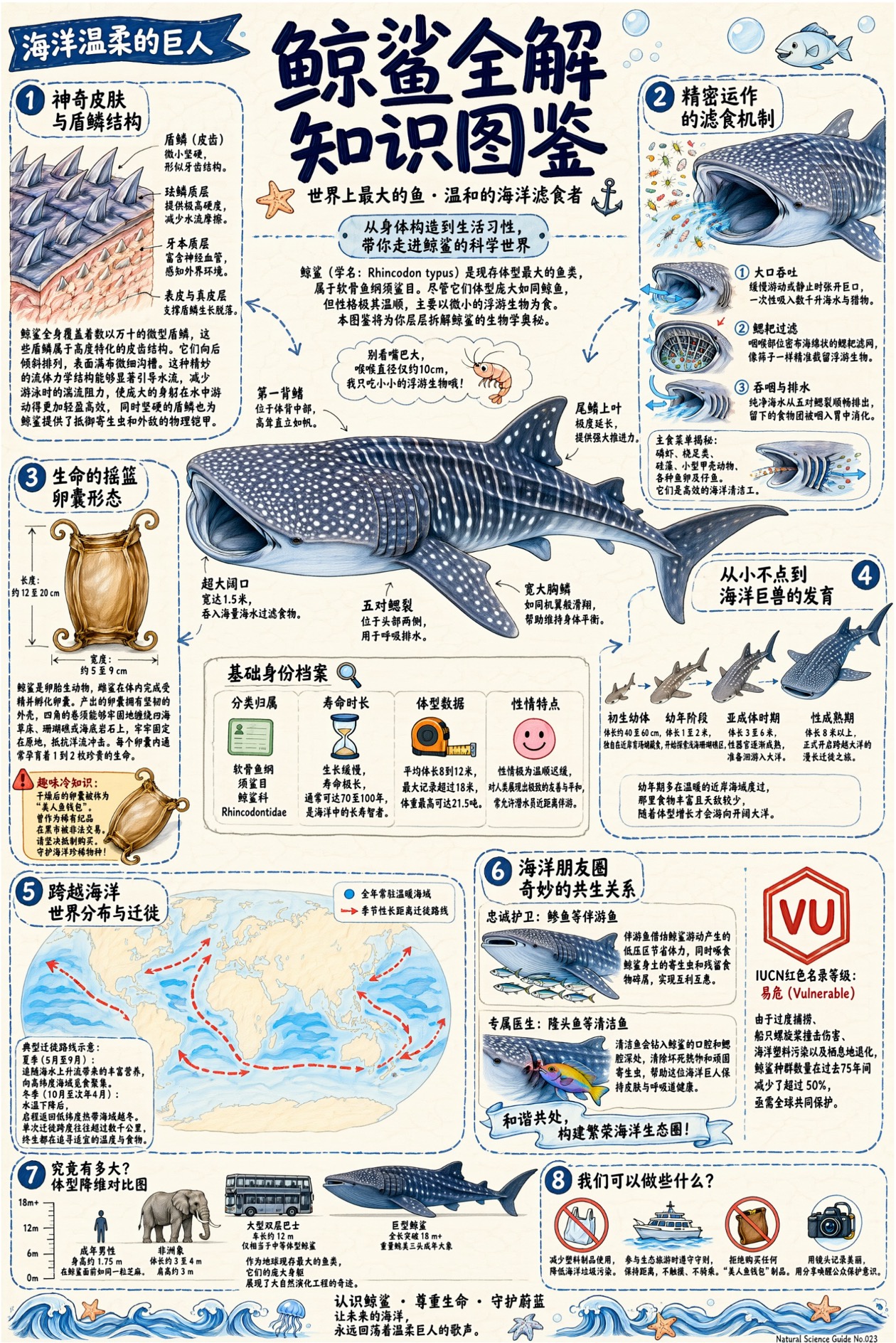
Image token pricing has been fairly steady while text token prices fall, yet image model release discussion seems to be more focused on how beautiful the women the model generates are versus any sort of substantive discussion.
I am seeing third legs and glowing eyes. It's a Microsoft Lens level of quality and that one was pulled.
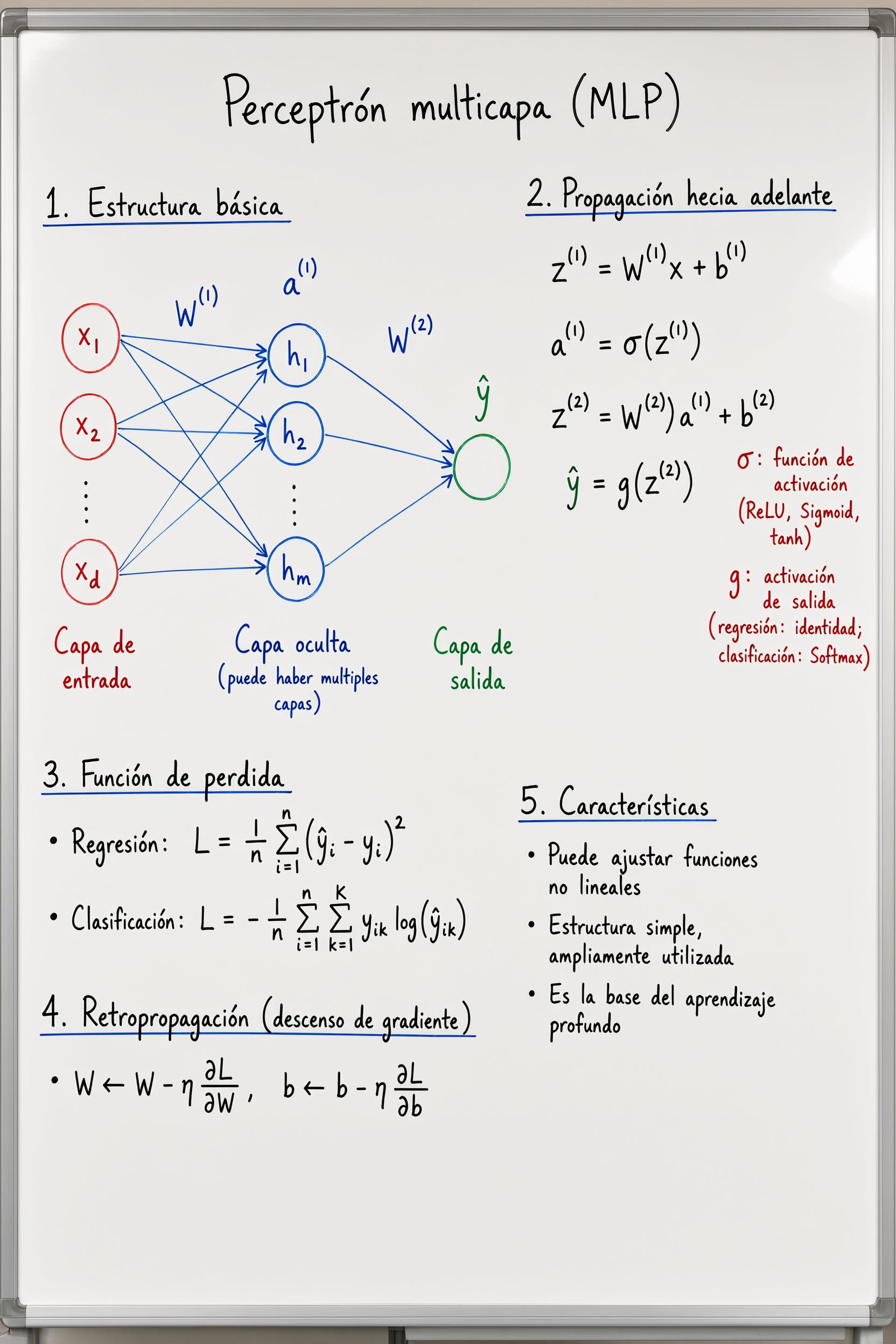
Edit: just to test myself I asked Nano Banana 2 to generate “an undergraduate infographic poster about how atoms work” - and the result was something right out of a middle-school science textbook and very Bohr…
As for the image model, wow...
Impressive.
Btw, what is currently the best model to run locally on a 16GB Vram? Is it Z-Image Turbo?
Any suggestions for the best open, non-opinionated model?
But: not open-source/open-weights, and no indication that weights/source will be released either.
For example, Google's Imagen 3 usually looked a lot less fake than the newer Imagen 4, but the latter still scored higher on most benchmarks because it made fewer mistakes and had better prompt following capabilities.
A similar thing happened with Dalle-E 2 and Dell-E 3: The new model was better but also more fake looking.
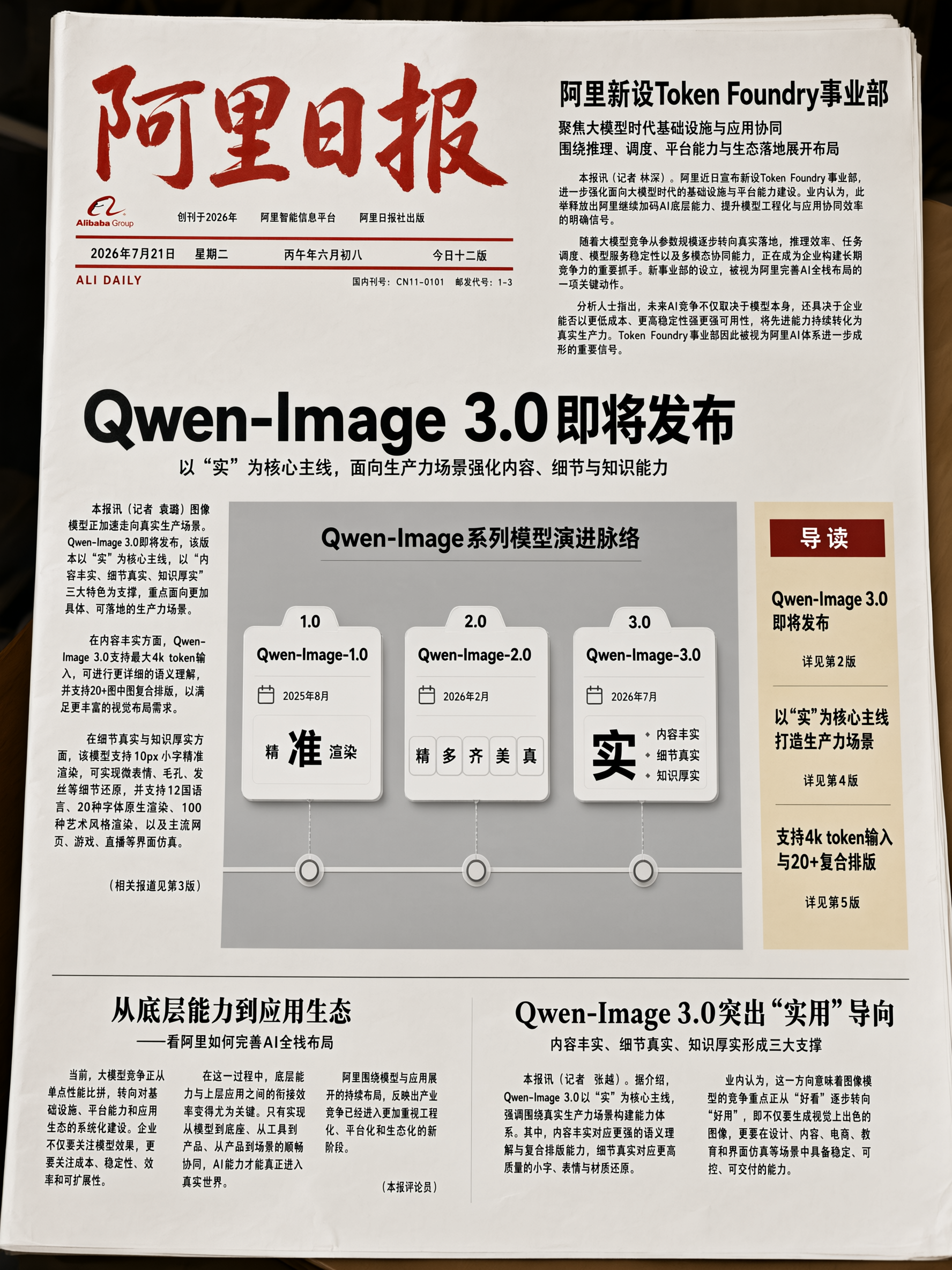
And yet the Korean text is not accurate... [1]
[1] E.g. "드레스 컬렉션 dress collection" has vowels ㅔ mixed with ㅐ, "초웜한" should be "초월한 exceeding", "신키한" should be "실키한 silky", "디자언되다" should be "디자인되다 have been designed", "로얼" should be "로열 royal", and so on.
Try asking it for a plot of Polish GDP growth over the past 20 years. It's slop.
> Especially text rendering
That's true though. I still got some completely fried letters in headings.
They can't.
It included the table verbatim and even managed to hallucinate a reasonable heading for it, but then the graph doesn't even manage to align the data points with the time axis, leading to an unfortunate collision in the middle.
I guess you should use a traditional graphing library for your presentation slides for now.